

HMRC originally issued updated guidance on the Benefit in Kind treatment of double cab pick-ups on Tuesday 12th February 2024.
EIM23150 Car benefit: double cab pickups and the new EIM23151 Car benefit: double cab pickups 1 July 2024 onwards to clarify the new rules which will take effect from 1st July 2024.
What is a double cab pickup?
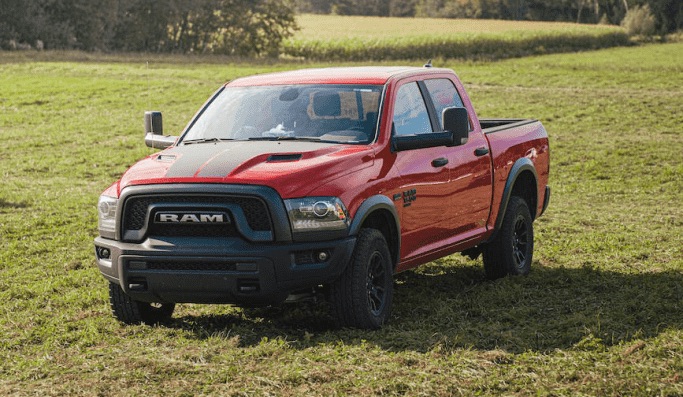
A vehicle of this sort normally has:
- a front passenger cab that contains a second row of seats and is capable of seating about 4 passengers, plus the driver
- four doors capable of being opened independently, whether the rear doors are hinged at the front or the rear (two door versions are normally accepted to be vans) and
- an uncovered pickup area behind the passenger cab.
HMRC will now consider that “there is nothing about these vehicles that renders them unsuitable for private use, so they will not come within the exception outlined at EIM23125”.
What changes on 1st July 2024 has been cancelled
From 1st July 2024, HMRC were no longer going to interpret the legislation that defines car and van for tax purposes in line with the definitions used for VAT purposes.
Transitional arrangements were to apply for employers that have purchased, leased, or ordered a double cab pickup before 1st July 2024, they will be able to rely on the previous treatment until the earlier of disposal, lease expiry, or 5th April 2028.
Who would this change have hurt the most?
So the tax status of many of these vehicles would have changed as now there is an assumption of private use and where former classifications may have seen these treated as Vans in alignment with BAT treatment, now employees with the use of these vehicles will see many of them being classified as company cars
It was identified that this change would have adversely affected the farming industry and others where such off road capable vehicles are seen as essential with limited alternates.
However, others were seen as benefiting from from a van classification for in effect was a company car that would have otherwise attracted higher tax liabilities.
There were a variety of outspoken challenges, especially as there is no change in legislation, only a guidance and interpretation adjustment by HMRC.
So what happened on Monday 19th February 2024?
The government has listened carefully to views from farmers and the motoring industry on the potential impacts of the change in tax-treatment. They have acknowledged that the 2020 court decision and resultant guidance update could have an impact on businesses and individuals in a way that is not consistent with the government’s wider aims to support businesses, including vital motoring and farming industries.
HMRC have announced that its existing guidance will be withdrawn, meaning that DCPUs will continue to be treated as goods vehicles rather than cars, and businesses and individuals can continue to benefit from its historic tax treatment.
This move is resultant of the government making clear that it will be legislating to ensure that DCPU vehicles continue to be treated as goods vehicles for tax purposes.
The government will now consult on the draft legislation to ensure that it achieves that outcome before introducing it in the next available Finance Bill.
Nigel Huddleston, Financial Secretary to the Treasury:
“We will change the law at the next available Finance Bill in order to avoid tax outcomes that could inadvertently harm farmers, van drivers and the UK’s economy.”
Want to know more?
- The tax on the benefit-in-kind will now not increase when employers provide these vehicles to their employees; and the capital allowances available in the first year of use will now not be reduced when a business purchases this vehicle for use in their trade.
- This will ensure a continued generous and consistent treatment of DCPUs for capital allowances, benefit in kind, and VAT purposes, maintaining simplicity in the tax system.
- HMRC will withdraw its updated guidance during the afternoon of Monday 19th February 2024.
- The Court of Appeal ruled that most multi-purpose vehicles, such as DCPUs, are cars in Payne & Ors (Coca-Cola) v R & C Commrs (2020) (BTC19).
- Arrangements that HMRC announced on 12th February 2024 to help DCPU owners adapt to the updated guidance are now redundant because the tax-treatment is not changing.
- This update is only with reference to DCPUs with a payload of one tonne or more. DCPUs with a payload of less than one tonne continue to be treated as cars.
PAYadvice.UK 15/2/2024 updated 19/2/2024