

- Half a million workers are set for a pay boost worth over £1,250 a year as nearly 17,000 employers are signed up to pay the real Living Wage, including IKEA, Uniqlo and Everton FC. One in seven UK employees works for a Living Wage Employer.
- This year marks the 25th anniversary of the Living Wage campaign, which has secured nearly £5bn in extra wages for low-paid workers since it began.
- The new real Living Wage rates are now worth over £2,700 more per year in the UK than the legal minimum, and over £5,300 more in London.
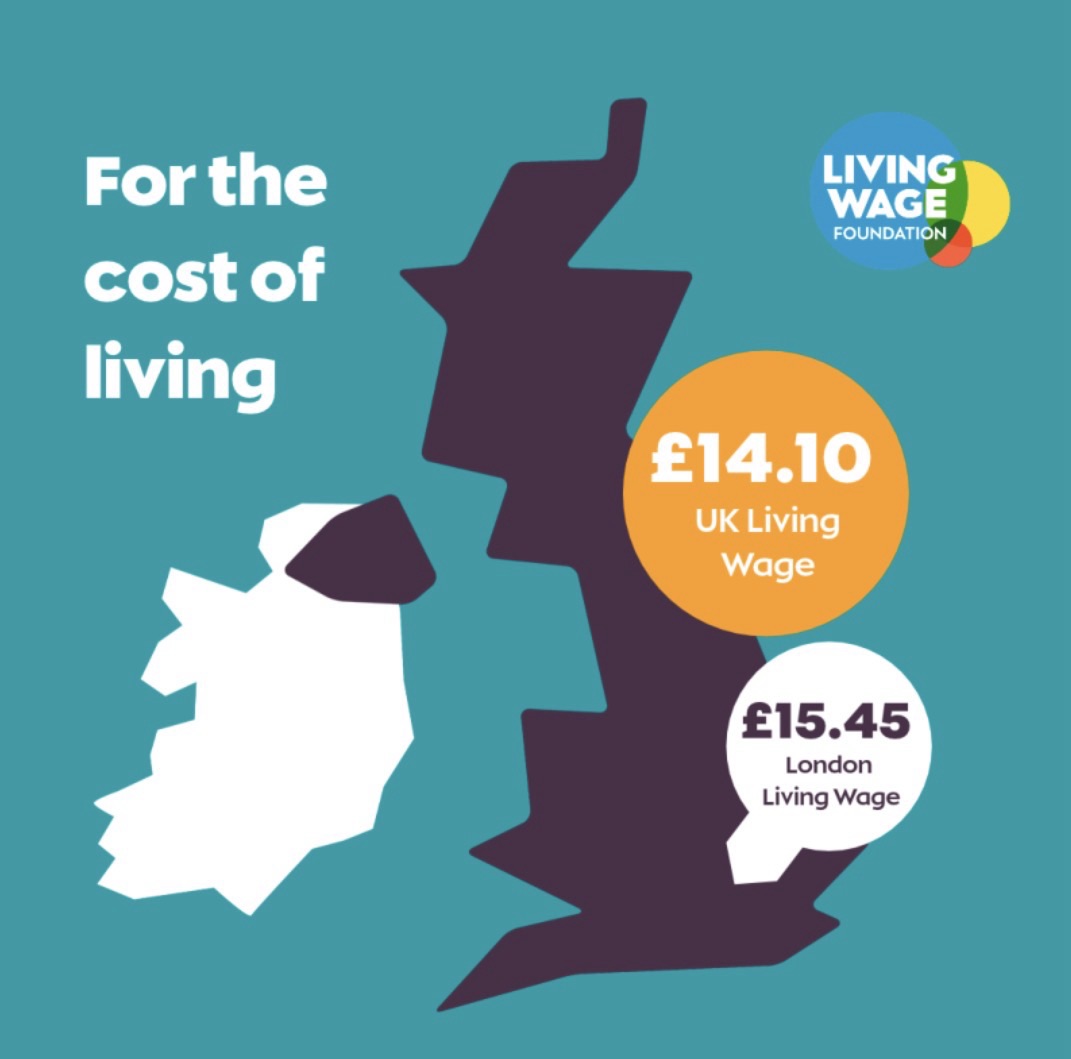
Almost half a million people working for nearly 17,000 real Living Wage Employers throughout the country are set for a vital pay boost, as the voluntary real Living Wage rates rise to £14.10 an hour across the UK (65p or 4.8% increase), and £15.45 an hour in London (65p or 4.4% increase).

This year marks the 25th anniversary of the campaign for a real Living Wage. New figures show that since the campaign began it has secured nearly £5bn of pay rises for low paid workers and made a profound difference to millions of lives around the UK. Nearly £700m went back into the pockets of workers in the last year alone.
Full-time workers on the real Living Wage will receive a pay rise worth over £1,250 this year thanks to the new rates.
Living Wage Foundation analysis shows that a full-time worker earning the new, real Living Wage would earn over £2,700 a year more than a worker earning the current government minimum. This extra cash could cover eight months of food for a household or five months of housing and energy costs.
In London, full-time workers on the new London Living Wage will earn over £5,300 a year more than the government minimum, enough to pay for 16 months of food costs or six months of housing and energy costs.

Emily Sawh, Co-Director of the Living Wage Foundation, said:
“Today’s increase to the real Living Wage will make a massive difference to hundreds of thousands of workers and their families up and down the country. They will be over £1,250 better off this year thanks to the rise, helping them achieve the decent standard of living they need to thrive.
This year marks the 25th anniversary of the Living Wage campaign, which began as a hopeful idea, driven by low-paid workers in East London organising for decent pay. It has grown into one of the most successful campaigns of the 21st Century, with nearly 17,000 employers committed to decent pay for all their workers and billions of pounds back in the pockets of those who need it most.
Despite the Living Wage campaign’s monumental impact on wages in the UK, there are still millions of workers trapped in in-work poverty and struggling every day to make ends meet. They’re forced to skip meals, fall behind on bills and visit foodbanks. That’s why we urge employers to do the right thing by signing up to pay the real Living Wage and providing workers with the decent standard of living they need to thrive.”
When do these rates apply?
The real Living Wage remains the only UK Wage rate to be independently calculated and rooted in the cost of living. It is voluntarily paid by nearly 17,000 UK businesses who have chosen to transform millions of people’s lives and raise the bar for what decent work looks like in the UK.
The Living Wage rates for 2026-27 were announced on Thursday 15th October 2026. Employers now have 6 months to implement them by May 1st 2027.
Nearly half a million employees have received a pay rise as a result of the Living Wage campaign, and we enjoy cross-party support. We have a broad range of employers accredited with the Foundation including half of the FTSE 100 and big household names including Nationwide, Ikea, Everton FC and Aviva, as well as thousands of SMEs.
PAYadvice.UK updated 17/10/2026
The £1,250-a-year figure really puts the announcement in perspective — it is not an abstract hourly rate but a meaningful lift for household budgets. It is also striking that this is the 25th year of the campaign, with nearly £5bn in extra wages credited to it since the start. One thing that often gets missed in these announcements is the part-time angle: for someone working, say, 20 hours a week, the hourly rise still pro-rates directly into their take-home, so it is worth checking the new rate appears on the first payslip after the employer’s six-month implementation window.