

The Home Office has issued revised guidance to employers on Right To Work checks (Wednesday 12th February 2025).
Who has to check a right to work?
Employers must conduct right to work checks before they employ a person to ensure that they are legally allowed to work.
If an individual’s right to work is time-limited, the employer must conduct a follow-up check shortly before it is due to come to an end.
A statutory excuse is an employer’s defence against a civil penalty. In order to establish a statutory excuse in the event that an employee is found to be working illegally, the employer must do one of the following before the employee commences employment:
- a manual right to work check (all)
- a right to work check using IDVT via the services of an IDSP (British and Irish citizens only)
- a Home Office online right to work check (non-British and non-Irish citizens)
What are the updates?

- the decommissioning of biometric cards, including Biometric Residence Permits/Card (BRP/BRC) confirming that individuals who currently use a physical immigration document, such as a BRP/BRC, or legacy paper document, should take action to create a UKVI account to access their eVisa to prove their right to work in the UK.
- updates to Annex A:
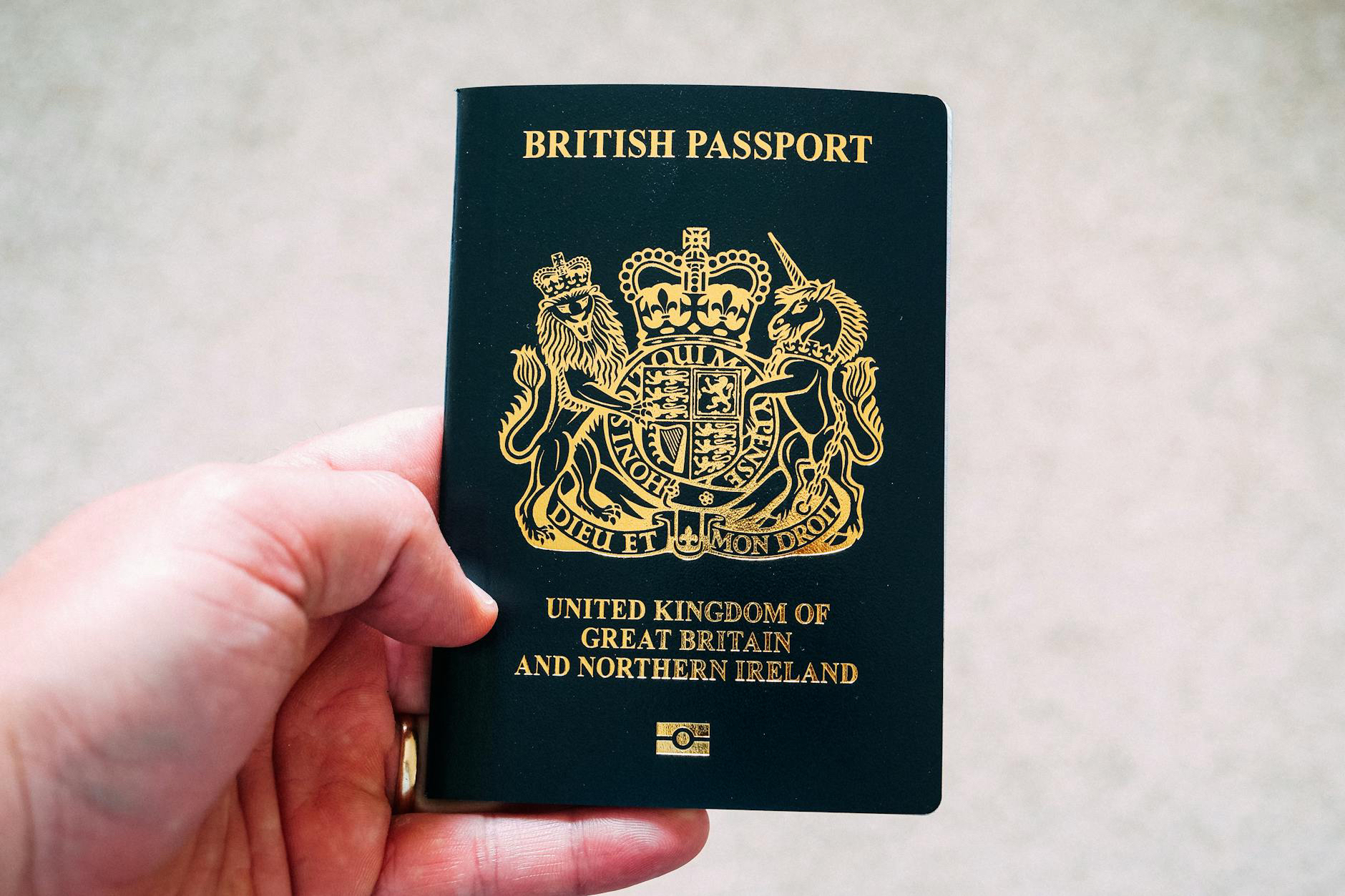
- Lists of acceptable documents for manual right to work checks to confirm that a clipped British or Irish passport is a cancelled document and therefore not acceptable proof of right to work.
- Also, clarification that a short or long birth certificate is considered acceptable when presented with official evidence of name and national insurance number issued by a government agency or a previous employer.
- an update to Annex D: Employment of Ukrainian nationals to confirm the opening of the Ukraine Permission Extension scheme on 4th February 2025.
- consolidating the guidance by streamlining the content within the section titled Previous versions of this guidance.
PAYadvice.UK 12/2/2025