

- Half a million workers are set for a pay boost as over 16,000 employers are signed up to pay the real Living Wage, including IKEA, Everton FC and Aviva.
- Popular high-street retailer Uniqlo is the latest to announce it is joining the Living Wage movement.
- The real Living Wage is the only UK wage rate independently calculated based on what is needed to cover living costs. It is different from the government’s National Living Wage, which is the legal minimum employers must pay for over-21s.
- The new real Living Wage rates are now worth over £2,418 more per year in the UK than the legal minimum, and over £5,050 more in London.
- £4.2bn in extra wages has gone to low paid workers since real Living Wage campaign began in 2011.
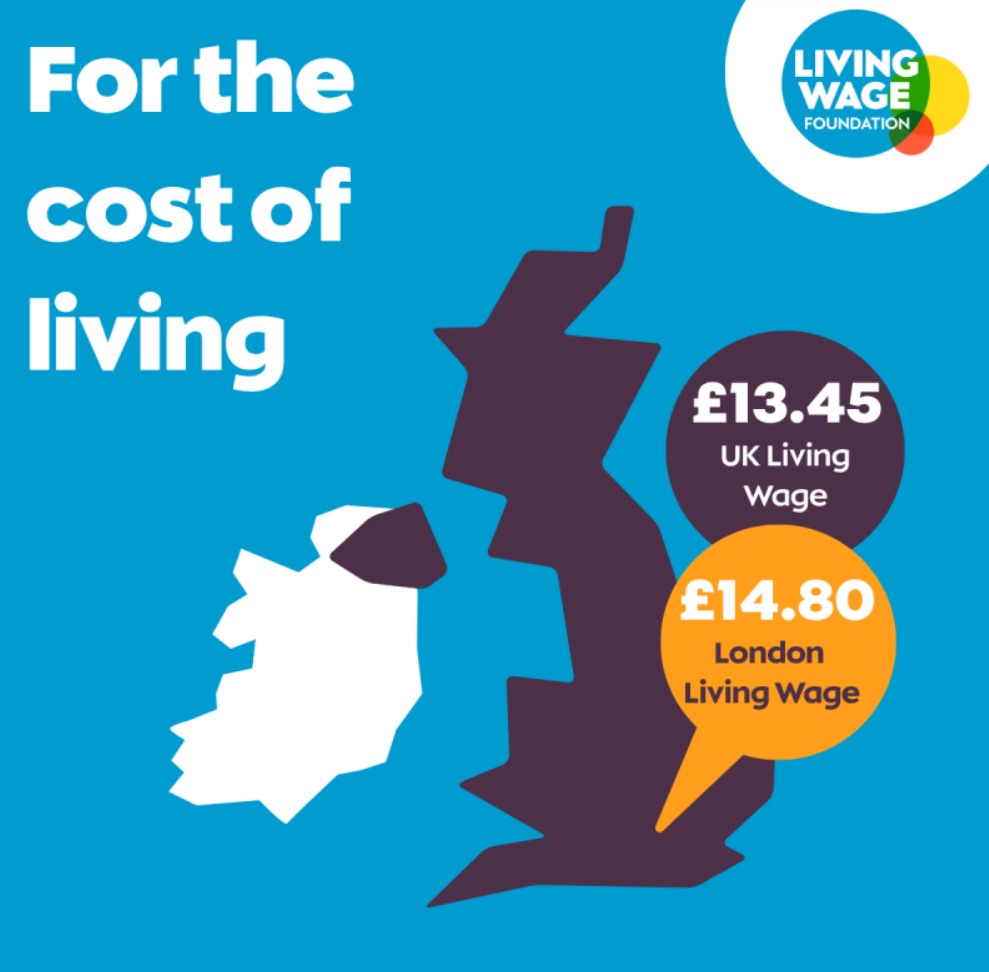
Almost half a million people working for more than 16,000 real Living Wage Employers throughout the country are set for a vital pay boost, as the real Living Wage rates rise to £13.45 an hour across the UK (85p or 6.7% increase), and £14.80 an hour in London (95p or 6.9% increase).
Recent research by the Living Wage Foundation shows that as inflation grew over the past year, many of Britain’s 4.5m low-paid workers have struggled to make ends meet, with two in five (42%) having been forced to use foodbanks in the past year, rising to over half (56%) for low-paid workers with dependent children.
Real Living Wage vs ‘National Living Wage’
The real Living Wage is different to the government’s statutory minimum wage rate, which is called the ‘National Living Wage’ for those over the age of 21. The real Living Wage is a higher, voluntary rate that is independently calculated based solely on what is needed to cover living costs, including everyday household costs such as rent and energy bills, childcare and transport, as well as items like a warm winter coat for children, or savings for a financial emergency like a broken boiler. The Government’s rate is the legal minimum businesses are required to pay by law.
The real Living Wage applies to all workers over the age of 18 working for a Living Wage Employer and is £13.45 an hour across the UK and £14.80 an hour in London. The National Living Wage applies to those over the age of 21 and is worth £12.21 an hour.
A full-time worker earning the new, real Living Wage would earn £2,418 a year more than a worker earning the current government minimum. In London, a full-time worker on the new real Living Wage rate would earn an additional £5,050 a year compared to a worker on the current NLW.
The Living Wage movement continues to grow
Despite economic challenges in the UK, the number of employers signed up to pay the real Living Wage has continued to grow, with nearly 2,500 new accreditations over the past year. Living Wage Employers commit to paying all their staff, as well as their third-party contractors like cleaners and security guards, at least the real Living Wage. Across the UK.
1 in 7 employees now work for an accredited Living Wage Employer.
Living Wage Employers
There are now over 16,000 Living Wage Employers, with recent accreditations including Uniqlo, the University of Salford and Truro City Council. They join half of the FTSE 100 companies, household names like Aviva, Everton FC and IKEA as well as thousands of small businesses, who are choosing to pay the real Living Wage to provide workers and families with greater security and stability.
Living Hours Employerz
There are now over 250 Living Hours Employers, including Aberdeen, Aviva, and West Brom Building Society, going beyond payment of the real Living Wage to also provide a guaranteed minimum of 16 hours work a week, a month’s notice of shift patterns and a contract that reflects hours worked.
Living Pension accreditation
Nearly 90 employers who want to ensure their workers never face poverty in retirement are signed up to the Living Wage Foundation’s Living Pension accreditation, including Everton FC and L&G. Living Pension Employers provide a Living Pension savings level using either a cash £3,150 or percentage (12%) target, with a minimum of 7%, or £1,840, contribution coming from the employer.
Katherine Chapman, Executive Director of the Living Wage Foundation:
“We all need a wage that covers life’s essentials, and the real Living Wage is the only UK wage rate independently calculated based solely on what is needed to cover rising living costs. The new rates announced today will make a massive difference to workers and their families, helping them to better cope with the costs of rent, bills, food and other essentials, and to live with stability and security.
“It remains a tough time for low-paid workers, with 4.5 million people still earning less than the real Living Wage and struggling to escape the grip of in-work poverty. That’s why we encourage as many employers as possible to do the right thing and commit to paying a wage that reflects the real cost of living.
“Despite the challenges businesses face, our movement continues to grow, with over 16,000 employers now accredited. These leading employers are showing that paying the real Living Wage has a far-reaching impact on staff, businesses and society.”
Alessandro Dudech, UNIQLO UK COO:
“UNIQLO is delighted to be accredited by the Living Wage Foundation in the UK. We believe that ensuring our employees are fairly compensated for their hard work is essential for fostering a motivated and productive workforce. UNIQLO’s investment in our UK team is in line with our ambitious growth plan here, enabling us to be an attractive employer of choice. We are proud to join the ranks of other responsible employers who are leading the way in promoting fair pay and improving the quality of life for their employees.”
Matt Sparkes, Sustainability Director at global law firm Linklaters:
“We’ve paid the Real Living Wage for over a decade and we still hear from our people of the pride that it brings and the difference that it makes. Now, more than ever, it demonstrates a tangible commitment to fairness, respect and doing what is right.”
Francesca Small, Head of People at food manufacturer Love Joes in Walsall:
“The rise to the real Living Wage will be a lifeline for our greatest asset: our people. Low pay is the norm in our industry, so we’re proud to stand out as a company that puts its people first by paying a wage which means they can live with dignity. We’ve seen incredible results since becoming an accredited Living Wage Employer, including turnover dropping from 60% to 27% and many more people applying for jobs at Love Joes. In just one weekend over 500 people applied for one production role! It’s been such a good investment that we’re now signed up as a Living Hours Employer so everyone at Love Joes also has working hours they can rely on. We’re a family-run business who will always look after our people, because only together can we grow and thrive.”
Adrian Mayo, Production Packing Operative at food manufacturer Love Joes:
“Today’s rise is great news for me and my family and I’m so glad I work for an employer who pays the real Living Wage. I spent years in low paid jobs, desperate to move out of my parents’ house and into my own place. Within months of working at Love Joes, I was able to make that a reality. Not only are we now settled in a lovely home, the extra money the real Living Wage provides means I can afford to treat my family now and then too. We live a happy life without having to worry about money. I’m so grateful Love Joes support me with a real Living Wage and hope to work here for many years to come.”
Brett Mendell, Managing Director at textile manufacturer Thomas Kneale & Co in Manchester:
“We welcome the rise to the real Living Wage because it will make a massive difference to our colleagues. Paying a decent wage which meets living costs is the foundation of any good business. It ensures everyone who works here at Thomas Kneale can pay all their bills and save for life’s little emergencies, rather than having to live pay cheque to pay cheque. In return for being looked after, our colleagues are more productive, take less time off sick, and stay with the organisation longer, saving us money on training and recruitment. So paying the real Living Wage isn’t just vital for our colleagues who need support with rising living costs, it’s also crucial for the long-term sustainability of the business, particularly when we’re facing such strong economic headwinds. That’s why we’ve been paying it for ten years and have gone even further by signing up to the Living Hours accreditation, providing our workers with the secure and stable hours they need to thrive.”
Sam, Customer Account Executive at Thomas Kneale & Co, a Living Wage and Living Hours accredited textile manufacturer based in Manchester:
“Being paid the real Living Wage makes my life so much better. I don’t have to worry about whether I can pay this bill or that bill, cancel appointments because I can’t afford to get there, or be in and out of miserable rentals because I can’t afford anywhere better like I did when I was on a low-paid, zero hours contract in a previous job. Now I’m paid a real Living Wage and have secure hours at Thomas Kneale, I’m settled in a comfortable home, pay all my bills by direct debit and can go out and enjoy life with friends and family. I’m free to live on my own terms, not caught in the trap of having no money.”

About the Living Wage Foundation
The Living Wage Foundation is the organisation at the heart of the movement ensuring everyone earns a wage to meet their needs. Through our Living Wage, Living Hours, and Living Pension accreditations, we champion and celebrate employers choosing to drive up employment standards. The Living Wage Foundation is part of Citizens UK.
What is the real Living Wage?
The Living Wage Foundation’s real Living Wage is the only UK wage rate independently calculated based on the real cost of living. It applies to all workers over 18 and is currently £13.45 across the UK and £14.80 in London. Rates are calculated annually by the Resolution Foundation and overseen by the Living Wage Commission. Read more about how it differs from the Government’s ‘National Living Wage’ here.
Is it a guarantee of minimum wage compliance?
Simply the answer is no as the recent naming and shaming list of the DBT shows, a number of the named employers who breached NMW requirements were registered Living Wage Employers.
NMW regulations are not purely about a pay rate, but how a rate is calculated including all working time (whether paid or unpaid) and pay potentially reducing due to items such as uniform, salary sacrifice arrangements, deductions for the benefit of the employer etc
Minimum pay regulations are not just about a pay rate.
PAYadvice.UK 22/10:2025